
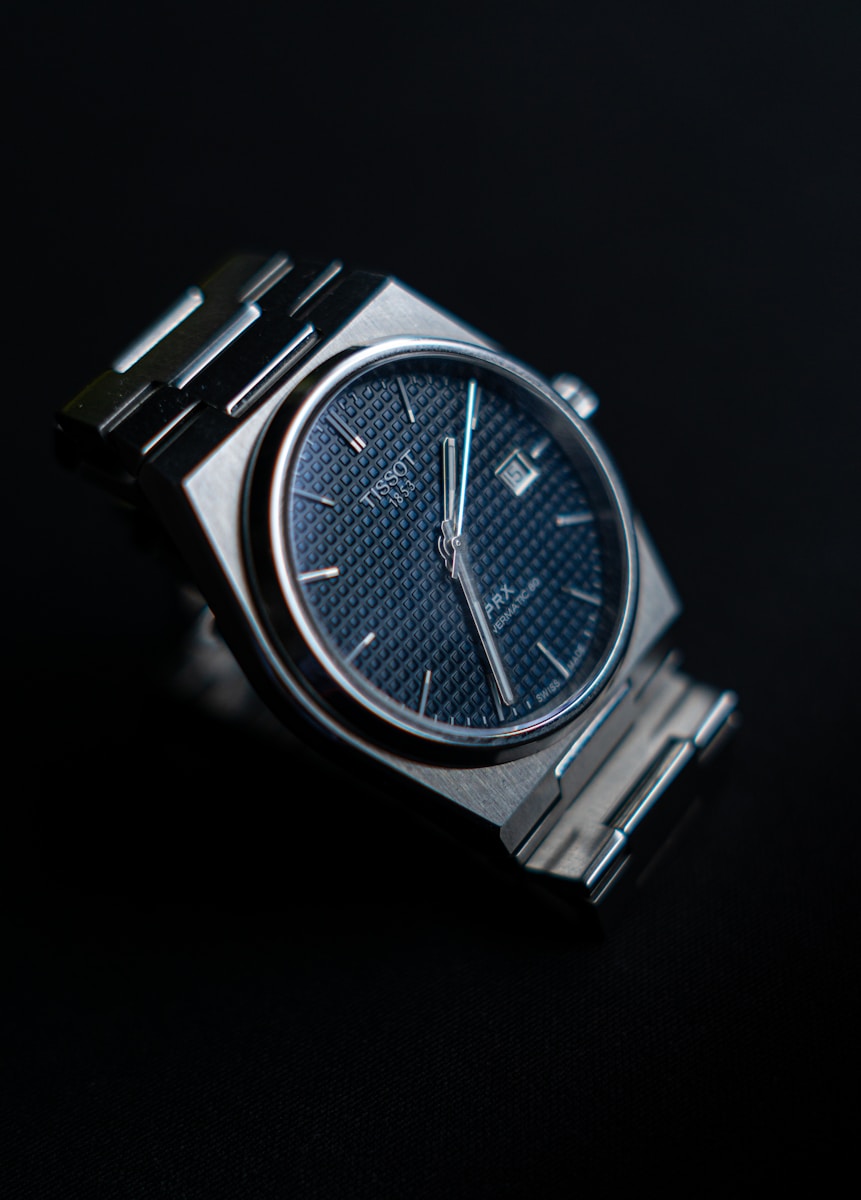
Considering a Swiss watch to start or expand your collection? Hamilton and Tissot are two leading brands known for their heritage, precision, and affordable luxury. Both have developed a strong reputation for quality and style, making them popular for newcomers to watch collecting as well as for seasoned enthusiasts. This comparison looks at the origins, signature styles, notable features, and value for money to help you pick the one that suits your needs best.
Brand Backgrounds
Tissot was founded way back in 1853 in the heart of Swiss watchmaking, Le Locle. As one of Switzerland’s oldest continuous watchmakers, Tissot has long focused on accessible yet high-quality timepieces. Their early inventions included the world’s first mass-produced pocket watch and pioneering anti-magnetic technology. Tissot is now part of the global Swatch Group, and it’s common to see Tissot as the official timer for many international sporting events, a mark of its commitment to precision and innovation.
Hamilton started out in Pennsylvania in 1892, originally making pocket watches trusted by railroad staff who relied on accuracy. The company became well known during the wars for providing reliable, tough watches to soldiers. In the 1960s, Hamilton shifted manufacturing to Switzerland and officially joined the Swatch Group in 1984. Today, Hamilton has a distinctly American character combined with Swiss movements, making it stand out. Its deep connection to Hollywood, like the memorable Ventura seen in films, gives the brand a unique pop-culture status.
Despite a shared parent company and similar internal mechanics, Tissot often pushes for innovation while Hamilton is strongly tied to military and vintage aviation inspirations.
Comparing Styles and Designs
When it comes to looks, Hamilton is well-known for its classic, sturdy field-watches exemplified by the Khaki Field line. These watches are robust, with simple, easy-to-read dials and practical materials meant to last—appealing mostly to those who love traditional military and aviation watches. The Jazzmaster series shows off the more refined side of Hamilton with open-heart dials and slim, sophisticated profiles suitable for dressing up.
Tissot stands out by embracing contemporary trends and variety. For example, the PRX series features integrated bracelets with cool 1970s-inspired designs, while the Tissot Gentleman line offers brighter, classic cues suitable for the office or events. Water-loving watch-wearers often like Tissot’s Seastar range with bold colors and diving abilities. The versatile, modern style of Tissot’s popular PRX means it fits both casual weekends and smart-casual wardrobes.
Those looking for a rugged, tool-like watch will likely gravitate towards Hamilton. People preferring elegant or sporty flair for various occasions often go for Tissot.
Movements and Performance
Both brands use movements made by their parent group. Many of their watches use robust automatic mechanisms, especially those with the Powermatic 80, known for up to 80-hours of power reserve—meaning you won’t have to wind the watch daily.
Hamilton uses the H-10 caliber, noted for long battery life, mechanical hand-winding, and solid accuracy within a reasonable daily timing variance. Hamilton watches, like the Khaki Field, are hand-wound, robust, and dependable.
Tissot’s automatics sometimes feature high-tech silicium parts, especially in the Powermatic 80 Silicium variants, helping these watches resist magnetic interference and preserve accuracy over time. Some models, like the Gentleman, are certified chronometers for best-in-class precision. Quartz models from both brands guarantee top accuracy, but mechanicals stay popular with enthusiasts.
For sports or diving, both offer watches with high levels of water resistance—up to 300 meters on some models, covering both pool and deep-water activities. Durability wise, Hamilton might handle the harshest conditions with its history of military use, but Tissot is competitive in everyday wear thanks to strong designs and practical engineering.
Bestselling Model Lineups
Some of Hamilton’s most loved watches include the Khaki Field Mechanical (in 38mm or 42mm sizes), perfect for those who like simplicity and classic army style. The Khaki Navy Scuba adds underwater versatility, while the slick Jazzmaster with visible mechanics adds elegance for work or night out.
Tissot continues to attract for its ever-trendy PRX series, which pairs classic appeal with today’s demand for integrated bracelets. The Gentleman caters customers wanting a smart, well-priced Swiss watch to wear at the office. On the sports front, Seastar provides bold, functional watches that handle both the seaside and stylish city settings.
Both brands cover a range of budgets, with Tissot generally a touch more affordable for basic models, especially its quartz selection.
Pricing and Value
You’ll find starter models from Tissot and Hamilton under $400, with more complex automatic watches generally ranging closer to $1,000. Chronograph pieces or special editions may run above $2,000. Tissot sometimes leads in affordability, making it a good starting point if you’re watching your budget. Hamilton might cost a bit extra, typically due to its strong brand story and use in pop culture.
No matter your choice, Swiss watches from these brands tend to hold their value well—used models often keep 60-80% of their price for years because of overall solid build quality and consistent demand. While prices may slowly inch upward in the future, both brands remain great alternatives for those not yet ready or able to invest in more premium brands like Omega or Rolex.
Who Should Consider Each Brand?
Hamilton has a clear edge if you like watches based on real military use, outdoor history, or aviation. Many collectors and everyday wearers love them for their strong sense of authenticity and storytelling—especially the Khaki lines.
For someone who wants a more versatile watch to switch effortlessly between work, social settings, or sport, Tissot excels. Tissot’s wide style selection and regular tech upgrades make it a favorite for tech-minded buyers or those interested in getting Swiss quality without breaking the bank.
Final Conclusion
Whether you pick Hamilton or Tissot largely comes down to your lifestyle and design tastes. It’s best to visit a store in person and try them on, as comfort and appearance on your wrist can make a big difference. Both brands deliver exceptional value, lasting quality, and authentic Swiss engineering. Choosing either means you’re stepping up from basic fashion watches to accessories with real personality and proven reliability—ensuring years of satisfaction without a crazy investment.
