
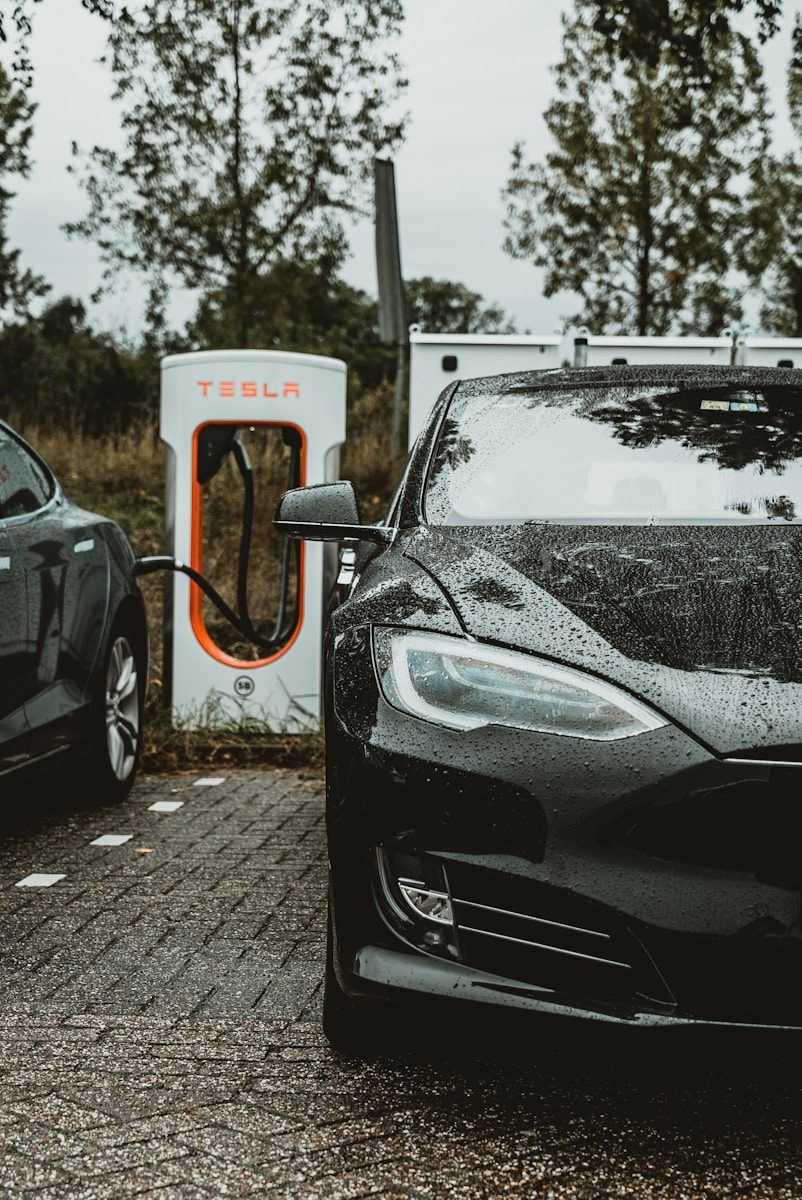
Toronto is famous for its icy, unpredictable winters, where temperatures slide below -30°C and sudden ice storms can cause chaos. While Tesla’s models and their innovative Supercharger network use features such as battery pre-conditioning and special AC ripple heating to maintain quick charging – even when it’s freezing – there’s one factor many drivers overlook: the home installation. Often, the actual performance and safety of your charging setup depends not just on the hardware, but also on whether your installer knows how to build for these punishing conditions. If your installation isn’t customized for Toronto’s climate, you could face everything from slow charging and equipment breakdowns to dangerous hazards when the cold gets extreme. In other words, having a capable Tesla charger installer Toronto can really make all the difference.
Why Does Cold Weather Affect EV Charging?
Understanding the challenge starts with knowing how winter impacts electric vehicles. Research shows that Toronto’s frigid temperatures can reduce the driving range of EVs by anywhere from 14% to nearly 40%. The reason? Cold slows down the chemical processes inside the battery, and the liquid coolant inside the car can become too thick to pump efficiently.
Tesla has responded to these obstacles by rolling out software and hardware upgrades, like the Winter Upgrade found at their newer V3 and V4 Supercharger stations. These stations can actually heat the battery from the outside with a controlled electrical current, meaning drivers in the coldest regions get much faster charging times if they pre-condition their battery on the way to the charger. This tech is especially helpful for Teslas with lithium iron phosphate (LFP) batteries, which are more sensitive to cold. However, these benefits only come into play when the battery is already warmed up.
So while you can depend on Tesla’s public network in the winter, your home charger needs to be just as ready for Toronto’s relentless cold snaps.
The Risks of Poor Home EV Charger Installation in the Cold
Tesla’s Supercharger stations are purpose-built for harsh weather, but home setups often aren’t. Too many local installations use wiring and materials better suited for milder climates, putting your charger at risk when Toronto’s winter cuts loose.
Inadequate Wiring and Breakers
Regular home wiring, such as 12AWG or 14AWG, easily becomes brittle and cracks in low temperatures, especially in garages or outdoor mountings without insulation. If your installer doesn’t correctly size the breakers or account for how resistance in the wires grows as it gets colder, you could deal with hot wires, power outages, or even fires.
The Wrong Enclosures
Plenty of chargers are put into basic boxes meant for indoor use – but Toronto’s winter demands more. A non-weatherproof enclosure can split open, leak, or let in enough moisture to corrode metal parts and trigger short-circuiting. High-quality work will always use NEMA 4X-rated boxes made to survive blizzards, rain, and deep freezes.
Missing Thermal Management
Some chargers lack internal systems to keep parts from freezing up. Without ways to keep the coolant and electronics warm, a unit might slow down or refuse to work until it heats back up – especially problematic for LFP batteries that need steady warmth to accept a charge.
Weak Grounding and Moisture Barriers
If the grounding system isn’t properly shielded and insulated, it can fail entirely in the heart of winter. Melted snow and ice can seep into weak spots, causing corrosion or potentially dangerous short circuits, particularly where installers haven’t used sealed connectors and conduits.
What to Look for in a Truly Winter-Ready Installer
If you want peace of mind from your home charger through the worst of Toronto’s winter, you’ll need experts equipped for the challenge. Here’s what separates a cold-weather pro from a basic installer:
Proper Certifications and Experience
Choose an installer who’s certified by the Electrical Safety Authority (ESA) and actually has a track record in Toronto’s climate. This means they’ll know how to calculate the correct breaker sizes, use resistant materials, and avoid common issues like reduced power flow.
NEMA 4X Enclosures
Insist that your installer provides NEMA 4X-rated enclosures if the charger is outdoors or in an unheated garage. These are rated for subarctic temperatures, keep ice and water out, and hold tight seals that won’t crack or degrade.
Chargers With Built-In Thermal Management
Work with an installer who can supply and set up chargers that include systems to keep all the vital parts warm, even when temperatures nosedive. This is key to prevent the charger from slowing down or shutting off unexpectedly.
Watertight Grounding and Moisture Control
Your installer should use only sealed, watertight connections, well-insulated grounding, and durable conduits. These precautions stop water from getting where it shouldn’t and keep everything safely running year after year.
Installation Plans That Consider Winter
Finally, a quality installer will plan the route for cables, add insulation, and recommend or provide heat sources where necessary. All these details prevent freezing and guarantee reliable performance no matter how harsh the weather.
Tesla’s Own Superchargers Set the Standard
Tesla’s public Supercharger sites are crafted with the kind of detail rarely found in home installs. Their V3 and V4 chargers feature external battery heating via rippled AC current – especially effective with LFP batteries – so drivers get the fastest possible charging speed even in severe cold. At home, without this technology, you often have to rely on the vehicle’s own limited warming system; unless you pre-condition your battery, home charging may be noticeably slower during a cold snap.
Real Stories: Charging Teslas in Toronto’s Coldest Days
Proof of what works best comes straight from local experience. One Model Y driver in Toronto found that by pre-conditioning his battery before leaving for the Supercharger, he could easily charge in minus 31°C. He did have to make sure he had enough charge left to warm up the battery on the way.
Another nearby owner reported that his Model 3 LFP battery, tested at -20°C, reached 80% in just 26 minutes – barely slower than summer conditions. The difference was due to using a Supercharger with external heating and taking time to warm the battery before plugging in.
These stories show that, while Tesla’s engineering can overcome even Toronto’s extremes, much depends on strategy and setup. Home installations must be equally thought out.
Your Installer Makes or Breaks Winter Charging
In short, Tesla’s Superchargers have what it takes for Toronto winters, but the real test at home is whether your installer matches that standard. If installation corners are cut, you risk everything from frustratingly slow charging to outright failures or safety problems as soon as temperatures drop.
To avoid these issues, make sure you:
- Pick a certified installer who knows cold-climate setups.
- Always use NEMA 4X enclosures outdoors.
- Choose chargers with internal heating systems where possible.
- Ask for extra protection against moisture and for robust grounding work.
- Get a winter-specific installation plan before any work starts.
If you’re looking for a team with the know-how for Toronto’s icy conditions, visit https://evchargerinstallationtoronto.ca to connect with experts who specialize in installing electric vehicle chargers ready for the city’s harshest weather.
At the end of the day, your home EV experience is only as strong as your installer’s attention to detail. So don’t let careless work leave you stranded this winter – choose a team that builds to thrive in Toronto’s cold.
