
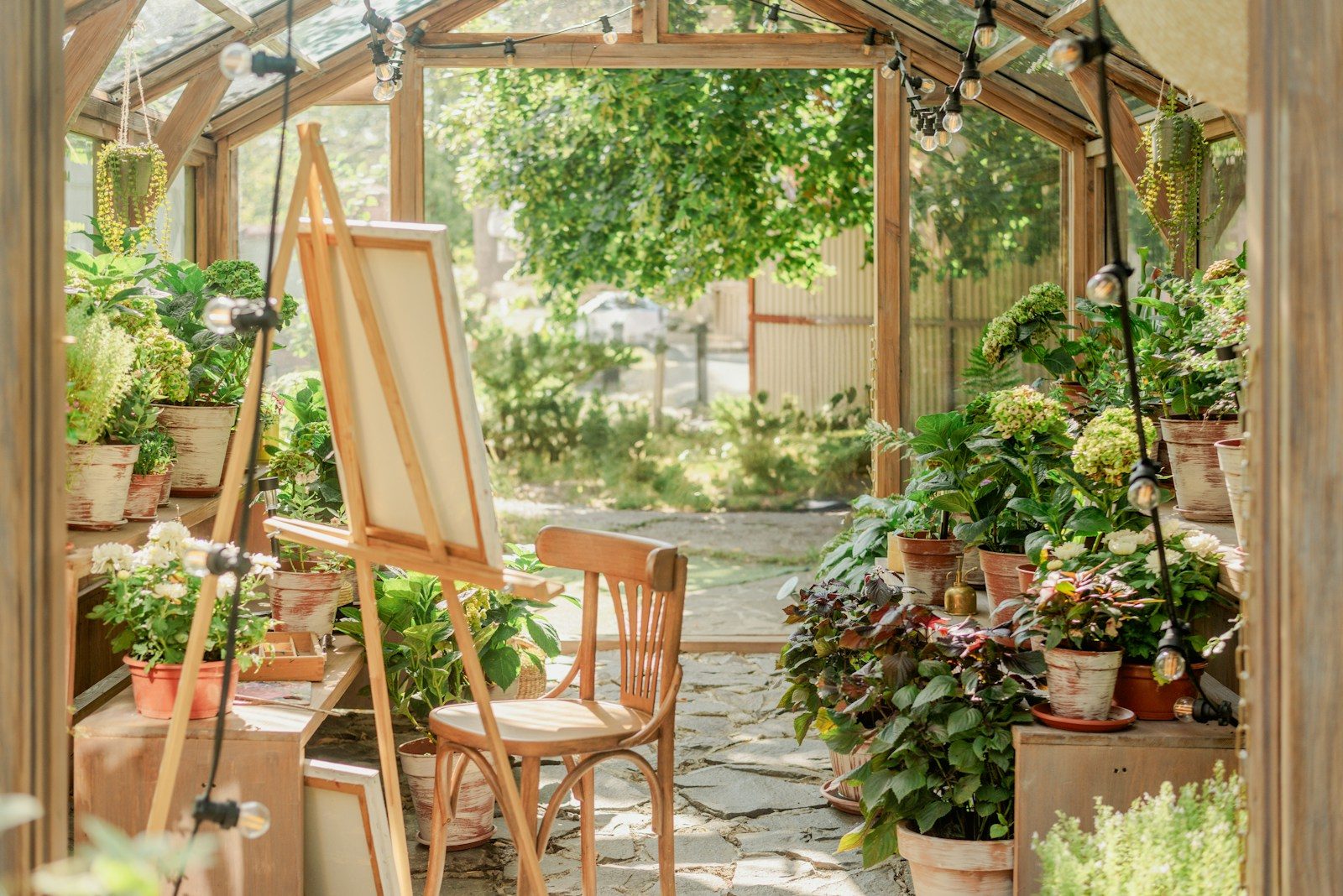
Ticino is a fantastic place for anyone interested in gardening, but its unpredictable climate keeps even experienced gardeners on their toes. One moment, you’re enjoying bright Mediterranean sunshine and the next, sudden storms or random cold nights arrive. For those just starting out, it’s important to recognize that gardening here means constantly adjusting to changing heat, rain, humidity, and unexpected cold spells. Many beginners find it helpful to look at local examples like Giardiniere to see how professionals tackle Ticino’s tricky climate.
Ticino: Beautiful Yet Challenging for Gardeners
Unlike much of Switzerland, Ticino enjoys milder temperatures, but this doesn’t always make gardening simple. The region experiences wild seasonal swings, dry periods, intense heat, and the risk of heavy downpours – all of which can challenge new plants and affect the soil. As a result, what you plant, when you plant, and how you care for your garden play a crucial role in your gardening success. Local gardeners will tell you: timing and planning in Ticino are completely different than other parts of Switzerland, often requiring earlier spring preparation and ongoing adjustments throughout the year.
Observation and Adaptation: Key to a Healthy Garden
A common mistake for newcomers is assuming that gardening just means putting plants in the ground. In Ticino, it’s much more about watching and reacting to nature. Take some time at the start: see where sun shines longest, where water collects after it rains, and which spots dry out quicker than others. Pay attention to areas that stay shaded throughout the day. It also helps to observe other nearby gardens, ask local gardeners questions, and think about issues such as frost risk, windy spots, and your easy access to water. Starting small is best. Focus on a handful of vegetables or flowers and expand only once you’ve learned what works.
Getting to Know Ticino’s Weather Before You Start Planting
If you want a thriving garden in Ticino, prepare yourself for fast-changing weather:
- Spring brings a burst of new growth but can quickly switch to chilly nights and soggy ground.
- Summer is known for scorching sun and rapid water evaporation, particularly in areas without shelter.
- Autumn is often mild, but sudden heavy rain can cause erosion and lead to fungal plant diseases.
- Winter tends to be less harsh than elsewhere in Switzerland, but frost can still surprise you by harming sensitive or new plants, as well as those in pots.
Gardening schedules that work elsewhere may not work perfectly in Ticino, so always use local knowledge and be flexible in your approach.
Picking Hardy Plants Suited for Ticino
The smartest way for beginners to start is by choosing plants that are tough enough to handle both heat and sudden rain. Mediterranean and drought-tolerant plants will thrive in Ticino’s conditions. Some of the best choices for your first garden here include rosemary, lavender, sage, thyme, geraniums, olive trees (if kept in a protected spot or pots), and hardy shrubs that do well in sun and changing soil moisture. These picks bounce back quickly after wild weather, so you won’t have to worry as much about losing your whole garden after a single storm.
Soil Preparation: The Foundation of a Happy Garden
Soil can make or break your garden in Ticino. Poor drainage leads to root rot after rain, while overly loose, sandy soil can quickly dry out in summer heat. To begin, check your soil type – see if it’s rocky, compacted, or holds on to water too much after being watered. One great technique is to regularly use organic mulch, which keeps moisture in the soil and suppresses weeds. For new gardeners, the best habits include mixing in compost to improve the soil, applying mulch often, staying off the soil after heavy rain, checking how the soil drains, and slowly improving clay-heavy areas over time. Especially after storms, be sure to protect and rebuild any exposed areas to avoid losing valuable topsoil.
Smarter Watering for a Resilient Garden
In Ticino, proper watering is all about efficiency. Instead of watering often, focus on watering well and at the right times. Check hoses or irrigation systems regularly, make sure everything is working, and don’t waste water during dry spells. Beginners should try to water early in the morning so plants soak up moisture before the sun gets too hot. Always water deeply instead of just wetting the surface, and don’t water in the middle of the day when most water quickly evaporates. Use mulch to hold in moisture and group plants needing similar amounts of water together. If you have vegetables, avoid letting their soil get too dry and then saturated, so their roots stay healthy.
Shielding Young Plants from Harsh Weather
Young seedlings or anything you’ve recently planted are especially sensitive to Ticino’s ever-changing weather. Rapid warming can help them grow, but a cold snap or heavy rain can do harm. You can minimize risks by placing covers over plants when frost is likely, gradually exposing seedlings to outdoor life before planting out, staking taller plants to prevent wind damage, using containers for fragile plants, and giving shade during the hottest days. Containers and raised planters let you easily move plants into safer spots or create a Mediterranean atmosphere while dealing with unpredictable weather.
Consistent, Simple Maintenance is Best
New gardeners often think they need big bursts of effort, but in Ticino, steady, regular care always gets better results. Make a habit of checking your soil’s moisture a couple of times each week, pulling weeds before they spread, cutting off dead flower heads, looking for pests after rain, pruning gently when needed, and topping up mulch each season. With consistency, your garden will flourish even during extreme heat or rain.
Making the Most of Ticino’s Unique Style
Ticino gardens shine when you take inspiration from the region – think terracotta, aromatic herbs, flower-filled shrubs, and clever use of small spaces. You don’t need a yard; even a small patio or balcony can become a lush mini-garden with a few carefully chosen plants. For an easy start, try adding one or two decorative shrubs, a handful of herbs, seasonal flowers for bursts of color, a couple of potted vegetables, and simple routines for watering and mulching. This keeps things easy to manage while still creating a thriving, beautiful garden.
Seasonal Gardening Habits for Beginners in Ticino
Rather than following a strict schedule, build your gardening rhythm around local seasons:
- In spring: clean up, enrich your soil, start new plants, and watch for cold snaps.
- For summer: water early, mulch well, and give shade when needed.
- During autumn: pick up fallen leaves, protect exposed soil, and brace for rainy weather and cool nights.
- Come winter: shield pots, check drainage, and brainstorm ideas for the next year.
Adapting through the seasons helps your garden succeed, no matter how unpredictable the weather turns.
Local Tips: Listening to Experienced Gardeners
Generic gardening tips can only get you so far in Ticino. Because every area – from the lakeside to the hills – has its own mini-climate, local wisdom is truly valuable. Try visiting nearby gardens, chatting with staff at local nurseries, learning which plants make it through all types of weather, and finding out what locals plant each year versus what survives on its own. Taking inspiration from professional approaches, like those you’ll find at Giardiniere, can also be extremely useful as you design and maintain your garden.
In Ticino, gardening is about learning to work with the weather, not against it. By choosing plants wisely, caring for your soil, watering thoughtfully, and staying alert to changes, even a complete beginner can grow a beautiful garden that thrives year after year.
