
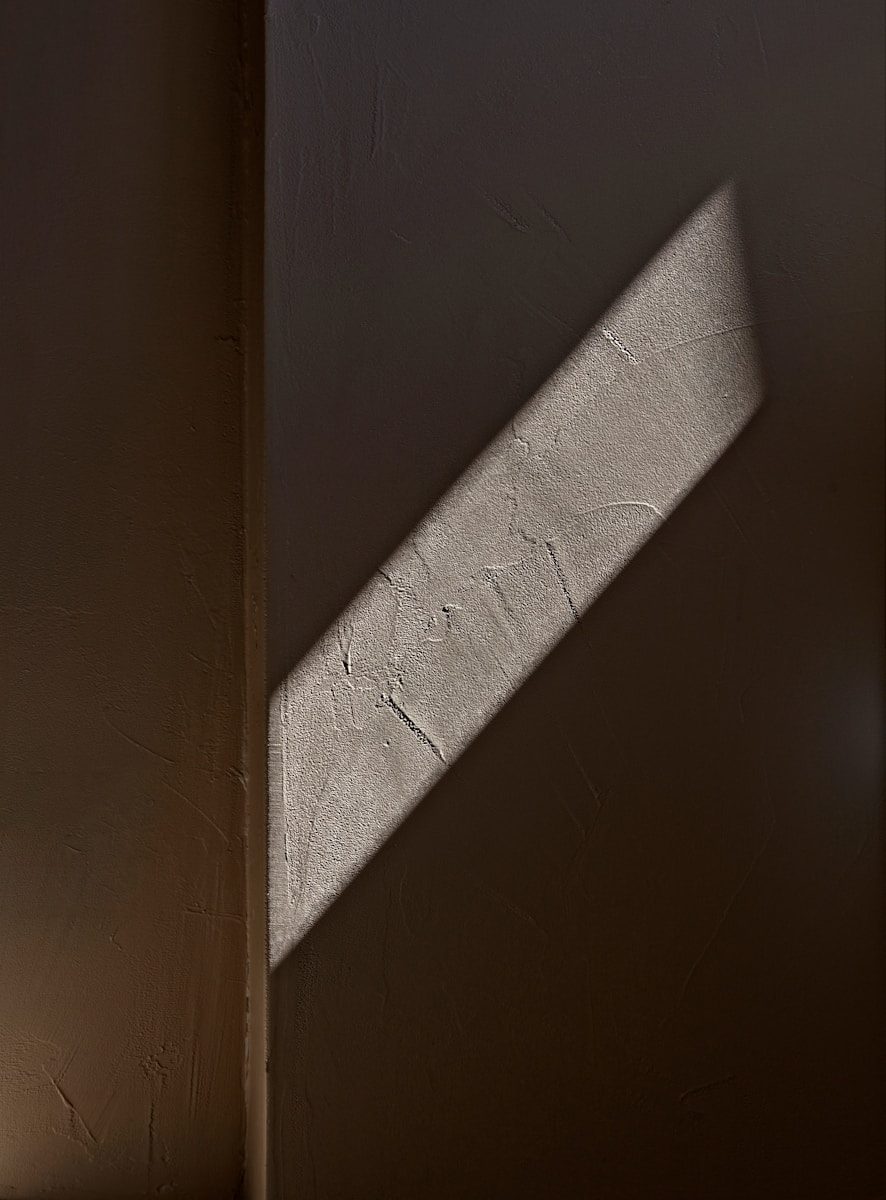
If you’ve ever wandered through Thun and admired the oldest houses, you might notice their plastered walls remain in excellent shape after centuries. The secret isn’t just nostalgia for “the old ways,” but a careful choice of traditional materials and methods. Craftspeople in the area have always valued techniques that allow the wall to breathe, flex, and be easily repaired, rather than rushing for speed. That careful approach is still maintained by those who really understand how to keep these old homes looking their best.
Interestingly, the reason this still matters goes beyond just appreciating ancient skills. It has everything to do with understanding how local climate, building history, and skilled trades all come together. Modern renovations can sometimes harm rather than help because newer products often lack the gentle adaptability of traditional plaster. For anyone searching for advice or help in the region, you’ll quickly discover the benefit of specialist knowledge – Gipserarbeiten und Verputz im Raum Thun – because the best results always come from experts who respect both history and the building itself.
What Makes the Old Plaster So Strong?
Plaster has been used on walls for thousands of years, long before today’s modern construction became standard. In houses built before plasterboard or drywall became common, plaster wasn’t just decorative. It provided extra insulation, made rooms quieter, and helped slow the spread of fire. These qualities are especially valuable in Thun, where historic homes have to survive cold winters, humid summers, and the gentle shifting that naturally happens over decades.
Older homes need materials that can handle change. Lime-based plaster, which was often used in the area, is able to absorb and release dampness and let the underlying timber move without causing damage. Modern plasters can be too stiff, leading to cracks when the building shifts. That’s why some of Thun’s oldest walls still have surfaces that seem almost untouched by time.
The Special Qualities of Lime Plaster
The magic of historic plasterwork comes from the materials chosen for the job. Traditional lime plaster stands out because it lets walls “breathe” – moisture can enter and leave without being trapped. This is different from gypsum-based plaster, which is faster to apply but doesn’t handle dampness so well over the years.
Since old houses are always settling, their timbers and plaster move with the seasons. Lime plaster’s flexibility means it won’t simply crack as easily as modern patch materials. If repairs are made with the wrong material, new cracks might actually form, and dampness can become trapped, causing worse problems.
That’s why restoration experts always try to use a material that matches the one already there. Getting it wrong by using a too-hard or waterproof patch can damage surrounding areas and destroy the original beauty of the house.
Layers Done With Patience and Care
Original plaster finishes were carefully built in several steps, using strips of timber (laths) fixed across the wall studs. The plaster was pressed into the spaces between laths – locking the finish in place as it dried. This combination made the wall both tough and long-lasting.
Each layer of plaster needed time to dry before the next one went on. Rushing the process wasn’t an option. Careful handwork during application and finishing produced a wall that looked great – even after centuries. Even today, the best builders in Thun carry on this tradition: they prepare the wall thoroughly, use matching materials, and finish by hand rather than using quick but rough substitutes.
Plaster That Looks “Perfect” – But Isn’t Machine Flat
One interesting thing about old houses is that their “perfect” plaster doesn’t mean a completely flat surface, the way new drywall does. Instead, the walls often have a gentle wave or ripple, showing the touch of the person who applied it. This is considered part of the building’s charm and makes the space feel alive.
What actually counts as “perfect” in a historic house is preservation: a surface that’s whole, strong, and still beautiful in its own unique way, even if it isn’t technically flawless by modern standards. Local artisans know when to leave a wall untouched, when to carefully strengthen a weak spot, and when to repair only the necessary sections without replacing everything.
Knowledge Passed Down: What Real Craftspeople Understand
Restoring an old wall isn’t just about fixing damage – it starts with careful investigation. Experts in Thun’s historic neighborhoods know that using the wrong product or method can cause more harm than good, especially if it blocks the wall’s natural movements.
They always follow a few important rules:
- Use only materials that are a good match for what’s already there.
- Keep the wall breathable so moisture doesn’t get trapped.
- Work in smaller sections instead of replacing huge areas for no reason.
- Allow enough time for everything to dry properly before finishing.
- Protect the original surface’s character instead of hiding it under a new layer.
These steps aren’t glamorous, but they ensure that old plaster walls remain both strong and beautiful for decades to come. That’s why homeowners who care about preserving their house’s history usually seek out craftspeople with deep local experience.
How Climate and Dampness Affect Plaster
To keep plaster in good condition, it’s important to manage moisture well. Lime plaster’s ability to breathe means it helps balance humidity and prevents damp from soaking into the structure. Unlike modern houses with built-in moisture barriers, older homes rely on these traditional materials to let the walls “dry out” naturally.
Big problems happen when repairs are done with materials that don’t belong. Damp can get trapped and lead to crumbling, bulging, or cracks. If the issue is noticed quickly and the right steps are taken, it’s often possible to save old plaster before major problems set in. Essentially, the “secret” to perfect plaster is actually ongoing care – not just luck.
Why Matching the Original Method Matters
Historic house experts warn against covering old lime or gypsum plaster with hard, modern patching materials. When a repair doesn’t move with the original wall, it leads to new cracks and even more damage. That’s why repairs always begin by figuring out what the original wall was made from and finding the closest match.
Restoring a wall this way not only looks right but also ensures it ages gracefully, like the rest of the building. In homes where most finishes are original, this careful approach makes sure the building keeps its historic feel.
Why These Historic Walls Are Important Today
Thun’s old buildings get attention not just because they’re old, but because they show what real, lasting craft can achieve. Their plaster work is proof that taking time and using the right methods pays off. More people are starting to see that restoring what’s already there – rather than replacing it – adds value and keeps the unique spirit of the house alive.
Original plaster is a key part of a home’s character, can protect resale value, and keeps the story of the building visible. For those in Thun, turning to experienced professionals for Gipserarbeiten und Verputz im Raum Thun makes all the difference, as these experts understand the complexities of local buildings and how to care for them properly.
Respect Is the Real Secret Ingredient
The most impressive thing about Thun’s oldest homes isn’t that their plaster survives untouched, but that generations of careful workers knew how to treat the building with respect. They chose breathable materials, built up surfaces slowly, and wisely repaired only what was needed.
This is why historic interiors in Thun often seem to glow with a gentle elegance. Their “perfect” look is really the result of patient work, skilled hands, and a deep knowledge of how buildings need to be treated over time. When you look closely at these walls, you see a story – not just of what was done in the past, but of the care and respect that still guides those who keep them beautiful today.
